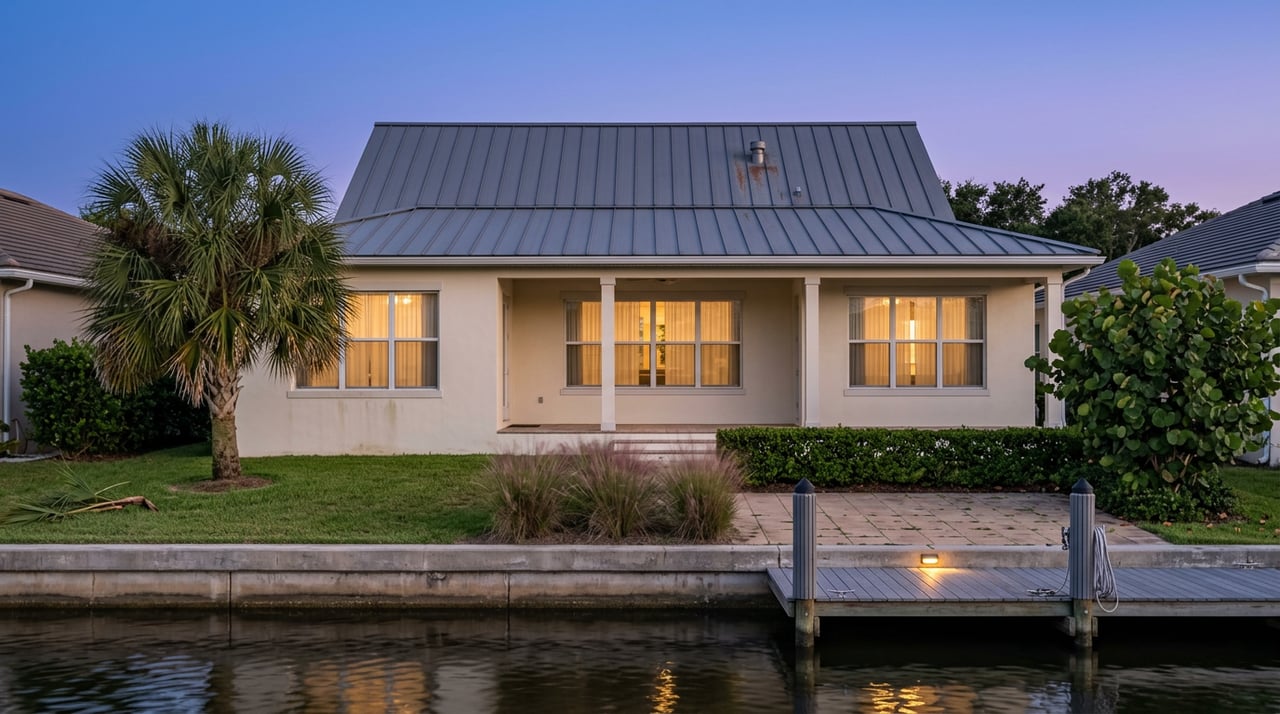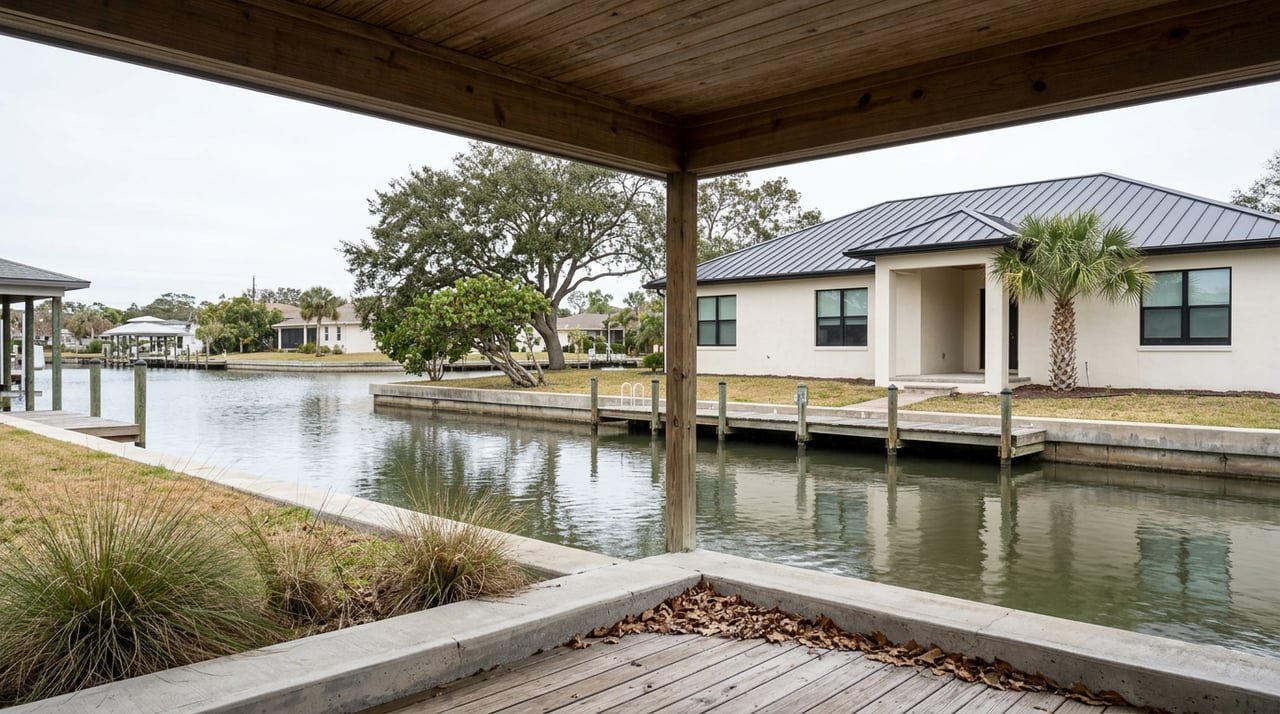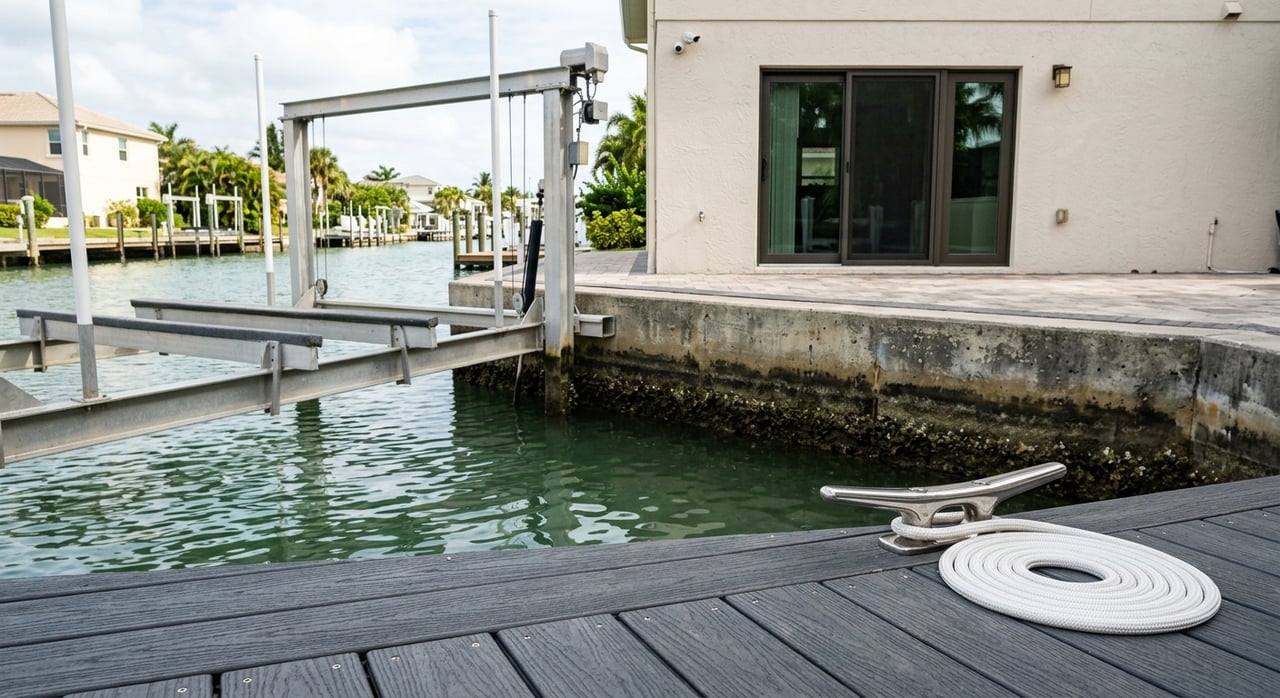
Dreaming about stepping out your back door and onto a dock? A canal-front home in Port Isabel can offer that kind of day-to-day coastal access, but it also comes with details you do not want to overlook. If you are considering buying in the 78578 area, it helps to understand how seawalls, permits, flood zones, and boat access can affect both your budget and your peace of mind. Let’s dive in.
Port Isabel canal-front homes are unique
Port Isabel is closely tied to life on the water, with a local identity shaped by recreational fishing, shrimping, marinas, waterfront access, and boating. That means canal-front homes here are not just houses with a view. They are often part lifestyle property, part shoreline structure, and part boating setup.
That mix makes these homes exciting, but it also makes them different from a typical inland property. In some waterfront areas, lots may be narrower and more engineered than standard suburban lots. Local zoning in at least one waterfront district allows no minimum lot size because of subdivision layout, requires a minimum width of 50 feet and depth of 125 feet, and allows boat basins to extend from the water property line into the lot.
The same zoning rules also require two paved off-street parking spaces per dwelling unit. If you are comparing canal-front options, it is smart to look closely at how the lot is laid out and how much usable exterior space you actually have. A lot that looks generous from the water may function very differently on land.
Check the seawall first
One of the biggest practical issues with a canal-front home is the seawall or bulkhead. In Port Isabel, waterfront property with a building or dwelling must have an approved seawall. The city also requires that the seawall run the full width of the water frontage and connect properly to adjacent improvements.
That matters because the shoreline edge is not just cosmetic. It helps support the lot and protect the property. If the seawall is aging, damaged, or poorly documented, that can become a major issue after closing.
You should also know that Port Isabel does not treat random hard materials at the shoreline as a real seawall. The local ordinance specifically says that broken concrete or other discarded building materials placed at the waterline do not qualify as a seawall or bulkhead. In other words, do not assume a rough shoreline barrier is an engineered improvement.
Questions to ask about the seawall
- Was the seawall permitted and approved by the city?
- Does it run the full width of the water frontage?
- Has it been repaired, rebuilt, or reinforced?
- Are there signs of leaning, cracking, settlement, or erosion behind the wall?
- Are records available for who performed the work?
A local buyer’s agent can help you gather those answers before you move too far into the transaction.
Permits matter more than many buyers expect
With canal-front property, visible improvements are only part of the story. Port Isabel requires a building permit for docks, boat lifts, seawalls, and bulkheads. Plans for boat docks, boat decks, boathouses, wharves, and similar improvements must also be certified by a professional engineer.
The city’s permit application process also asks for flood zone information, elevation, a windstorm application, and an elevation certificate for new construction or additions. That means paperwork can be just as important as physical condition. A dock or wall may look usable, but buyers still need to know whether it was built and maintained with the right approvals.
There is another layer to keep in mind. The city notes that the Army Corps of Engineers requires permits for seawalls, boat docks, boat houses, dredging, and fill. So if a property includes waterfront improvements or altered canal access, it is worth confirming that the documentation matches what is actually there.
Evaluate dock and boat access realistically
A canal-front home may look perfect for boating at first glance, but not every dock setup fits every buyer. The right property for a bay boat may not work the same way for a larger vessel. Before you buy, make sure the water access supports how you actually plan to use it.
This is where due diligence becomes practical. You want to look beyond the listing photos and ask about dock condition, lift capacity, canal depth, and any dredging history. If dredging was done, it is wise to confirm it was done legally and with the proper approvals.
What to review for boat use
- Current dock condition
- Boat lift presence and weight capacity
- Canal depth and seasonal usability
- Turning space and ease of access
- Permit history for dredging, fill, or dock work
- Whether the setup fits your intended boat size
A usable dock on paper is not always the same as a dock that works for your boat and your routine.
Flood zone and windstorm questions are essential
Insurance is one of the most important budget items to understand before you buy a canal-front home in Cameron County. Texas consumer guidance says most homeowners policies do not cover flood damage. On the coast, they also often do not cover wind and hail, which are typically treated as separate coverages.
For many coastal properties, that means you may be looking at multiple policies rather than one. Texas coastal homeowners often need a separate windstorm policy, frequently through the Texas Windstorm Insurance Association, known as TWIA. TWIA covers wind and hail only, not flooding or storm surge.
Port Isabel’s city-hosted FEMA map materials show that flood exposure can vary significantly by parcel. These materials identify areas such as Zone VE, Zone X, and the Limit of Moderate Wave Action. Two canal-front homes in the same general area may have very different insurance considerations.
Insurance questions to raise early
- What is the exact flood zone for the property?
- Is there a current elevation certificate?
- Will your lender require flood insurance?
- Is a windstorm certificate of compliance already on file?
- Has the seller shared current insurance information?
TWIA eligibility generally requires the home to be in the designated catastrophe area, proof of code compliance, and usually a private-market declination. For some V-zone properties built, altered, remodeled, or enlarged after September 1, 2009 that can get National Flood Insurance Program coverage, proof of flood insurance is also required.
Look at the lot as both land and infrastructure
One smart way to evaluate a Port Isabel canal-front property is to think of it as both a home site and a small shoreline system. The house matters, of course, but so do the lot dimensions, seawall, dock, access points, parking, and any engineered features attached to the waterfront edge.
That is especially important in neighborhoods where lot shapes and water-facing improvements are highly specific. Some parcels are designed around the canal and may extend improvements very close to the seawall. In at least one local district, dwelling structures may extend to the seawall but no further.
If you are comparing two homes at a similar price, one may offer a simpler ownership picture than the other. The better value is not always the one with the longest dock or the most visible hardscape. It is often the one with clearer documentation, a workable layout, and fewer unanswered questions.
Why local guidance makes a difference
Buying a canal-front home in Port Isabel is rarely just about choosing a pretty view. You are also reviewing zoning, permit records, waterfront improvements, flood-zone details, and windstorm compliance. That can feel like a lot, especially if you are relocating, buying a second home, or comparing several coastal options at once.
This is where local representation can save time and reduce stress. Port Isabel City Hall and the Building Department are located at 305 E. Maxan St., and the city provides permit access and contact information. Having someone local help coordinate the file and flag missing details can make your decision much clearer.
At Blue Heron Realty, that local, hands-on approach is part of how we help buyers make confident coastal purchases. If you are exploring canal-front homes in Port Isabel and want practical guidance on what to review before you buy, connect with Maggie Bolado and make every move the right one.
FAQs
What should you inspect first when buying a canal-front home in Port Isabel?
- Start with the seawall, dock, permit history, flood zone, and elevation-related documents, because these can affect safety, usability, and insurance costs.
Does a Port Isabel canal-front home need an approved seawall?
- Yes. Port Isabel’s waterfront rules state that waterfront property with a building or dwelling must have an approved seawall.
Do docks and boat lifts in Port Isabel require permits?
- Yes. The city requires building permits for docks, boat lifts, seawalls, and bulkheads, and certain waterfront improvement plans must be certified by a professional engineer.
Will homeowners insurance cover flood and wind damage on a Port Isabel waterfront home?
- Usually not under one standard policy. Texas guidance says flood is generally separate from homeowners coverage, and coastal wind and hail coverage is often separate as well.
Why does flood zone matter when buying a Port Isabel canal-front property?
- Flood zone can affect lender requirements, insurance costs, documentation needs, and the overall cost of ownership, and it can vary sharply from one parcel to another.