Shopping for a home or condo in Laguna Vista and keep seeing HOA and POA in listings? You are not alone. These associations shape your costs, rules, and daily life, especially in coastal communities. In this guide, you will learn the real difference between HOAs and POAs, the fees and risks to budget for, and the documents to review before you write an offer. Let’s dive in.
HOA vs POA: What it means here
In everyday talk, people use HOA and POA as if they are the same. Legally, the difference comes from the recorded documents for each community. The declaration and bylaws define the association’s name, powers, and responsibilities.
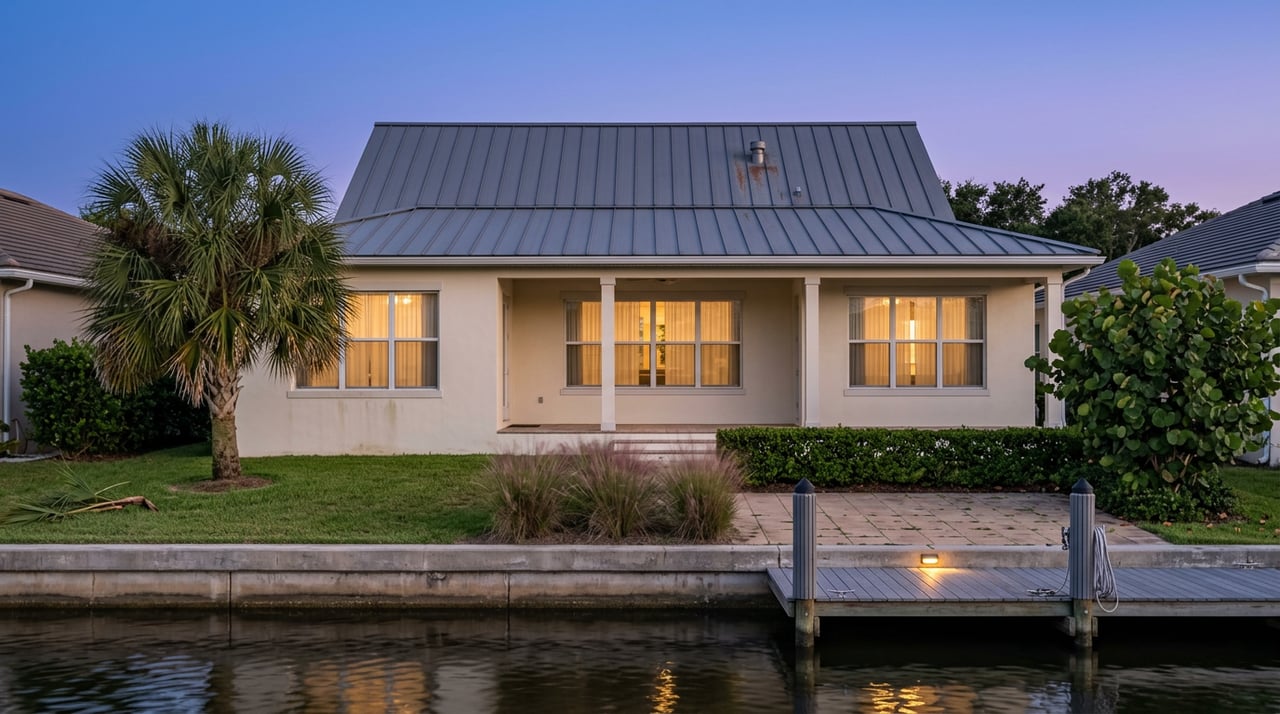
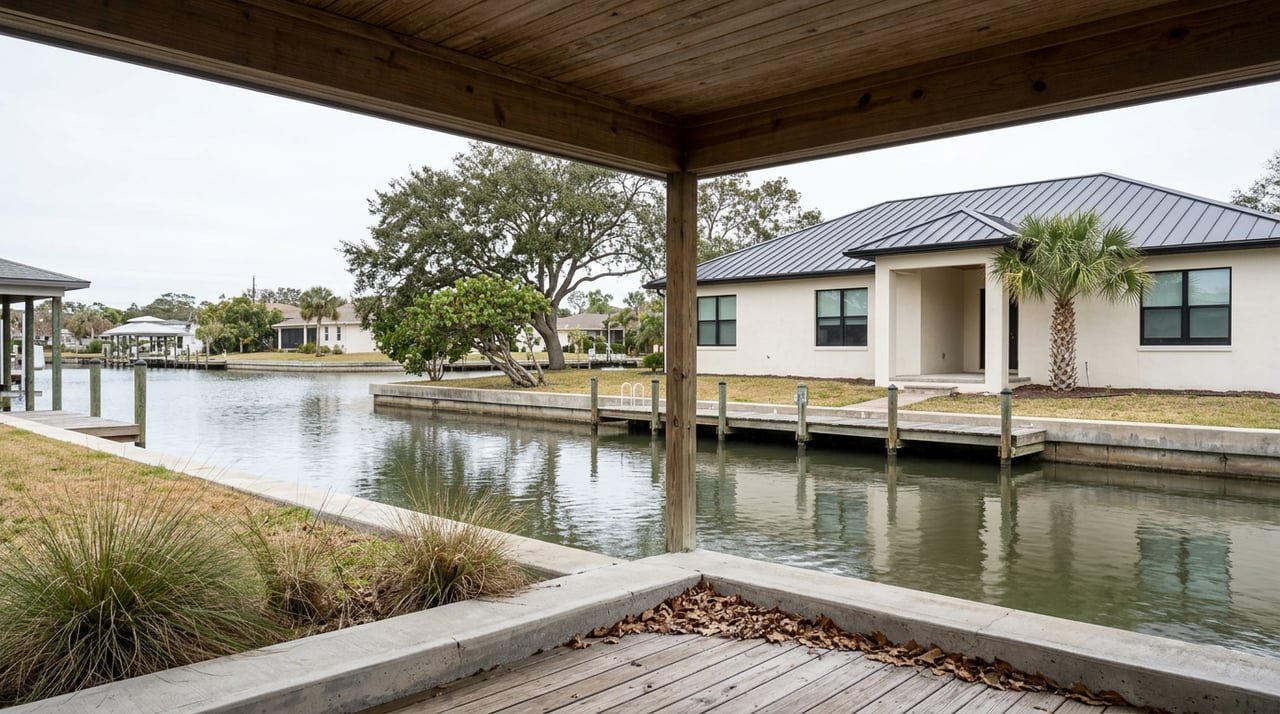
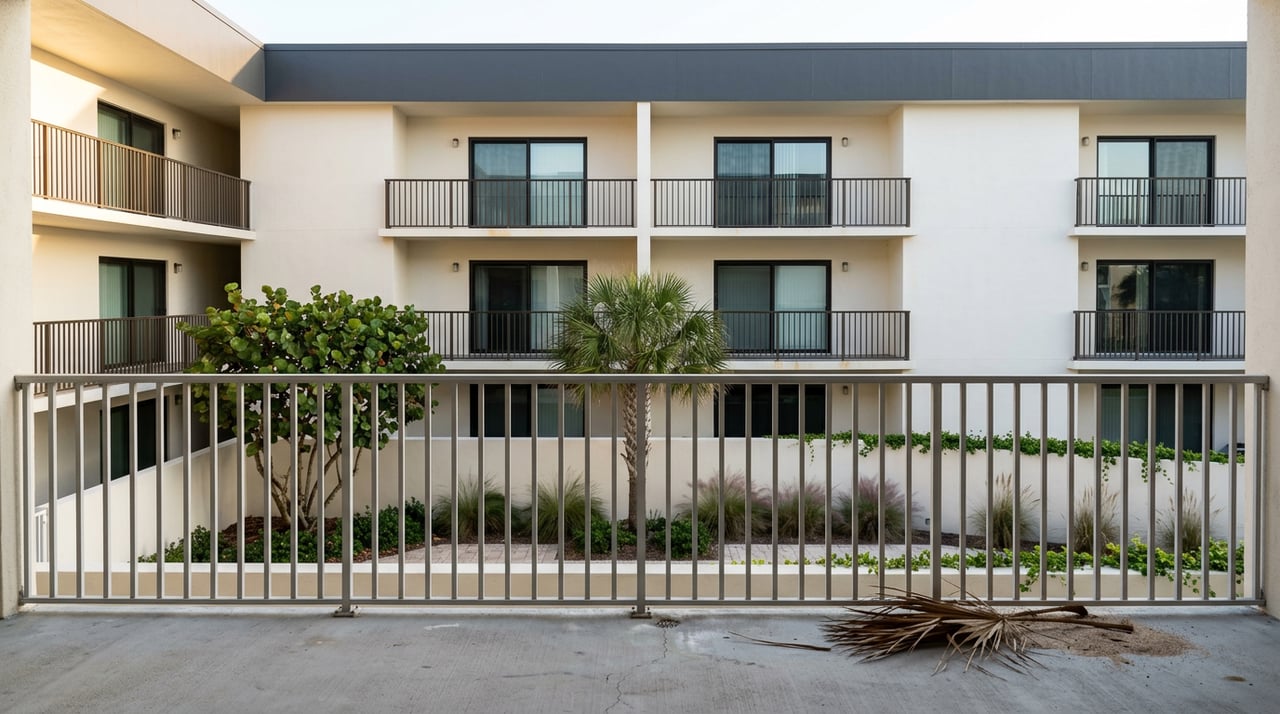
In Laguna Vista, an HOA often serves a residential subdivision or condominium. A POA can have a broader job, especially in mixed-use or waterfront areas. It may cover private roads, shared waterways, marinas, docks, or seawalls.
Governance basics
Both HOAs and POAs are led by a board of directors elected by owners. The board enforces the covenants, sets the budget, collects assessments, and adopts rules. Some boards are volunteer-run, while others hire professional management.
Voting rights, meeting notices, records access, and the developer control period are set by the recorded documents and state rules. Always read the governing documents to confirm how decisions are made.
Coastal scope and responsibilities
In bayfront communities, the association’s job often includes bulkheads or seawalls, dock and pier maintenance, boat slip assignment, and channel access. These items can drive higher dues and major repair projects. The label HOA or POA can hint at scope, but the documents are what control.
Costs to expect beyond the mortgage
Association costs vary widely by community. Your budget should include both routine dues and possible one-time charges.
- Regular assessments: Paid monthly, quarterly, or annually to cover operations and maintenance of common areas and amenities.
- Special assessments: One-time charges for big repairs, storm damage, or major capital projects. Waterfront work like seawall replacement can be expensive.
- Reserves and studies: Healthy reserves reduce the chance of special assessments. Ask for the latest reserve study and the current reserve account balance.
- Collection practices: Associations can place liens for unpaid dues and may have foreclosure remedies if allowed in the declaration. Review the collection policy and delinquency history.
Insurance realities on the coast
Master policies differ. Some cover only common elements, while condo policies may include parts of the structure. Flood insurance is separate and is usually required in FEMA flood zones. Coastal properties face higher wind and hurricane deductibles, which can lead to owner assessments after a storm. Ask about deductibles, whether the association uses TWIA or private carriers, and how costs flow to owners.
Rules that shape daily life
Association rules affect how you use the property day to day. Read the CC&Rs and the Rules and Regulations before you commit.
- Property use and appearance: Exterior paint and materials, landscaping, fencing, parking, trash, and noise.
- Boats and trailers: Storage limits, dock access, lift approvals, and ramp rules are common in bay communities.
- Rentals and STRs: Some associations limit leasing or require minimum lease terms. Short-term rental rules can affect income potential and resale.
- Pets and occupancy: Limits on pet number or size, guest policies, and parking enforcement.
- Architectural control: Approvals for decks, lifts, exterior changes, or unit alterations, especially in condos.
Due diligence checklist before you offer
Ask for these documents early in your process. They help you understand costs, risks, and restrictions.
- Declaration or CC&Rs, Articles of Incorporation, and Bylaws
- Current Rules and Regulations and Architectural Guidelines
- Current budget and the past 2 to 3 years of budgets
- Most recent financial statements and bank statements
- Reserve study and current reserve balance
- Board and membership meeting minutes for the past 12 to 24 months
- Management contract and key vendor contracts, including marina or security
- Insurance certificates and summaries, including wind and flood details and deductibles
- Pending litigation disclosures
- Summary of assessments, liens, and delinquencies
- Developer control status and turnover documents, if still in transition
- For condos: condominium declaration, plats, and percentage interest schedule
Resale and estoppel certificates
Ask for the resale or estoppel certificate during your option period. This summary shows the unit’s assessment status, fees, upcoming charges, and any violations. Your title company will rely on it at closing. Compare the certificate against budgets and meeting minutes for a complete picture.
Coastal inspections and responsibility checks
Confirm what the association maintains versus what you maintain. This affects both insurance and long-term costs.
- For condos: exterior envelope, roof, elevators, and other shared systems
- For waterfront: seawall and bulkhead condition, pier and boat lift safety, dredging plans, and shoreline projects
- Maintenance boundaries: who pays for docks, gangways, and marine infrastructure
Smart questions to ask
- Have there been special assessments in the last 5 years? Why and how much?
- What is the current reserve balance? Is there a recent reserve study?
- Are there rental or STR limits? Any changes being considered?
- Who maintains seawalls, docks, and lifts? How are costs shared?
- What are the wind and hurricane deductibles on the master policy?
- Is the association professionally managed? Who handles day-to-day issues?
- Are there open disputes or litigation involving the association or developer?
Laguna Vista specifics to weigh
- Flood zones and elevation: Many properties are near or within FEMA flood zones. Check flood status and whether an elevation certificate exists.
- Wind and storm exposure: Expect higher premiums and deductibles. Understand how the master policy works and what you must cover.
- Marina and slip rules: Slips may be assigned, waitlisted, or conveyed with units. Fees and guest policies vary by association.
- Local rules: City and county ordinances can affect STRs, pier permitting, and coastal development. Always review local requirements in addition to association rules.
- Lifestyle trade-offs: Waterfront access and amenities can boost enjoyment and value, but they also add costs. Balance views and boat access against dues, reserves, and likely project needs.
How Blue Heron helps you buy smarter
You deserve clear answers before you commit. Our team reviews association documents, requests resale certificates early, and coordinates with insurance pros who know Texas coastal coverage. If you are planning to rent, we also help you align with association and local rules and estimate realistic income based on policy limits.
Whether you are focused on a bayfront condo or a single-family home near the water, you will get local guidance tailored to the Lower Rio Grande Valley. Ready to move forward with confidence? Reach out to Maggie Bolado for a friendly, no-pressure conversation.
FAQs
What is the difference between HOA and POA in Laguna Vista?
- The recorded documents define the association. HOAs often cover residential communities, while POAs may include broader responsibilities like marinas, private roads, or seawalls.
How do special assessments work in Texas associations?
- Boards can levy one-time charges for big repairs or storm damage if allowed by the documents. Minutes and budgets reveal history and upcoming projects that could trigger assessments.
What should condo buyers check in master insurance?
- Confirm what the master policy covers, what falls to your unit policy, and wind or hurricane deductibles that could be passed to owners after a storm.
How do STR rules affect a Laguna Vista purchase?
- Some associations limit or prohibit short-term rentals, and local ordinances may add rules. These policies influence income potential and resale demand.
Who maintains seawalls and docks in bay communities?
- It varies by association. The documents and budgets should show whether the association or owners maintain marine infrastructure and how costs are shared.
What is a resale or estoppel certificate in Texas?
- It is an association-issued summary of the unit’s fees, balance, and rules. Title uses it at closing, and buyers should review it during the option period.
Can an association lien affect my mortgage?
- Associations can record liens for unpaid assessments and may have foreclosure remedies if allowed in the declaration. Your title company reviews lien status during closing.