Wondering whether a short-term or long-term rental makes more sense in Port Isabel? You are not alone. Many owners see the area’s coastal appeal and rental potential, but the right strategy depends on your property, your goals, and how much day-to-day involvement you want. This guide will help you compare both paths in Port Isabel so you can make a more confident decision. Let’s dive in.
Why Port Isabel Supports Both Strategies
Port Isabel is not just a vacation-driven market, and it is not only a traditional residential rental market either. It behaves more like a hybrid. With a Census Bureau 2025 population estimate of 5,302, a 60.0% owner-occupied housing rate, a median gross rent of $748, and a median household income of $32,222, the city shows signs of both local housing demand and coastal investor interest.
That matters if you are deciding how to use a property. In a market like Port Isabel, some homes are better positioned for tourism-based stays, while others fit steady long-term leasing. The best choice usually comes down to location, property type, operating costs, and your comfort level with management.
Port Isabel also sits next to a major tourism driver. South Padre Island, just across the causeway, is promoted as a year-round destination with more than 300 days of sunshine, seasonal events, and a strong Winter Texan audience. That gives Port Isabel owners access to tourism demand, but it also means short-term rental activity may be more seasonal and event-driven than in some larger vacation markets.
Short-Term Rentals in Port Isabel
When STRs Make Sense
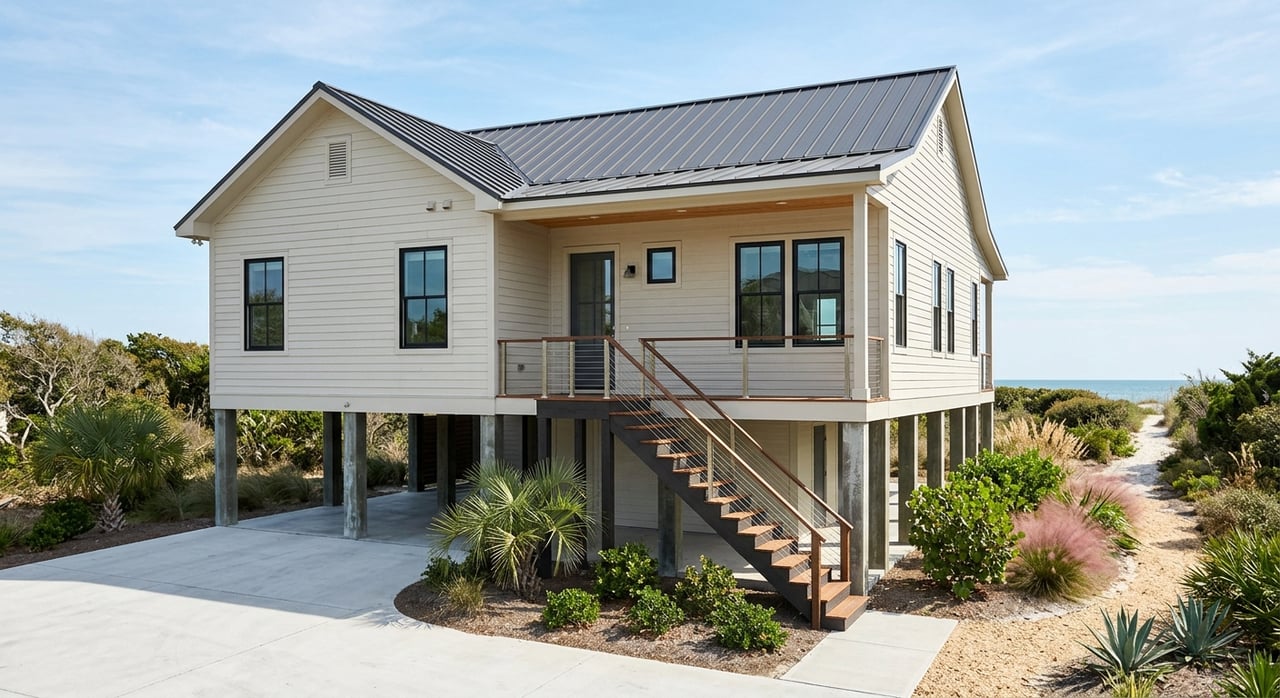
Short-term rentals often work best when your property has a strong coastal draw. Think waterfront condos, bayfront homes, canal-front properties, or homes with easy access and views that appeal to visitors. These types of properties are often more attractive to second-home buyers and owners who want to capture travel demand during peak seasons.
If your goal is to take advantage of late winter, spring, summer, and event-related travel, a short-term rental may be worth exploring. It can also be a fit if you want flexibility to use the property yourself during part of the year. For some owners, that mix of personal use and guest income is a big advantage.
What Counts as a Short-Term Rental
In Port Isabel, a short-term rental or vacation rental is defined by the city as the rental of a legally licensed dwelling unit for fewer than 30 consecutive days per occurrence. That 30-day threshold is important because it affects licensing and tax treatment. If you plan to rent for shorter stays, you are operating in the short-term rental category.
Before advertising or renting, the city requires a short-term rental license. Owners must also register with the Finance Department and file hotel occupancy tax monthly. This is one reason STRs can offer opportunity, but also come with more moving parts.
STR Taxes and Compliance
If you choose the short-term route, you need to be ready for local and state lodging taxes. Port Isabel’s FAQ lists these hotel occupancy taxes:
- City HOT: 7%
- Cameron County HOT: 2.5%
- County Venue Tax: 0.5%
- State HOT: 6%
Texas also applies the 6% state hotel occupancy tax to houses, condos, and apartments rented for fewer than 30 consecutive days. In practical terms, STR ownership is not just about bookings. It also requires consistent compliance, accurate filing, and attention to deadlines.
STR Management Demands
Short-term rentals are usually the more hands-on option. You may need to handle or coordinate:
- Furnishing and setup
- Professional photography and media
- Listing creation and pricing updates
- Guest communication
- Cleaning between stays
- Maintenance response
- Monthly tax filing
This is where presentation matters. In a coastal market, strong photos, video, and clear amenity storytelling can influence booking decisions. If your property is competing for vacation guests, visual marketing is not a small detail. It is a core part of the strategy.
Long-Term Rentals in Port Isabel
When LTRs Make Sense
Long-term rentals often fit owners who want steadier occupancy and fewer turnovers. Detached homes, smaller inland homes, some multi-family properties, and some manufactured-home product may be more practical for long-term leasing than nightly or weekly rentals.
If your goal is more predictable month-to-month income and a simpler operating model, a long-term rental may be the better match. You may also prefer this path if you do not want the seasonal ups and downs that can come with a tourism-based property.
The LTR Legal Framework
Long-term rentals in Port Isabel are generally governed by Texas landlord-tenant law and the lease agreement. The Texas Attorney General describes the rental agreement as the most important source of the landlord-tenant relationship. Tenants generally have a right to quiet enjoyment, landlords generally must repair conditions that materially affect health or safety, and security deposits generally must be returned within 30 days, with an itemized deduction list if money is withheld.
So while long-term rentals usually avoid the short-term lodging tax structure, they are still compliance-driven. Success depends on clear lease terms, consistent procedures, and proper handling of maintenance, deposits, and move-out documentation.
LTR Management Priorities
Long-term rental management is less about guest turnover and more about stable operations. The focus usually shifts to:
- Fair-housing-compliant advertising
- Tenant screening
- Lease preparation
- Rent collection
- Maintenance coordination
- Renewals
- Move-out procedures
In Port Isabel, communication style can matter too. Census data shows that 61.3% of residents age 5 and older speak a language other than English at home, so bilingual communication can be especially helpful when marketing and managing a rental.
Property Type Matters More Than You Think
One of the biggest decision points is the type of property you own. In Port Isabel, available inventory commonly includes waterfront homes, canal-front homes, waterfront condos, townhomes, multi-family properties, land, and manufactured or mobile-home options.
As a general rule, waterfront condos and bay or canal-front homes are often stronger candidates for short-term or seasonal use. Their location and lifestyle appeal tend to line up better with visitor demand. More practical detached homes, smaller inland properties, and some multi-family or manufactured-home options may align better with long-term leasing.
That said, there is no one-size-fits-all rule. A great property for STR use still needs the right legal and operational setup. A property that looks like an LTR on paper may still perform well as a seasonal rental if the owner has the right plan.
HOA Rules Can Change Everything
Before you commit to either strategy, review the governing documents carefully. Some HOAs or condo associations limit leasing or require minimum stay lengths. Those rules can directly affect rental income potential and even future resale value.
This is especially important in coastal communities where condos and townhomes are common. Even if city rules allow a certain rental use, HOA or deed restrictions may be more restrictive. You should verify city requirements, county tax obligations, HOA or CC&R rules, and any deed restrictions before moving forward.
A Middle Option: 30+ Day Seasonal Leases
Not every owner has to choose between nightly stays and a traditional year-long lease. In Port Isabel, a 30-plus-day seasonal or winter lease can offer a practical middle ground. This approach may appeal to owners who want longer occupancy periods without the pace of constant guest turnover.
It can also simplify the tax picture. Texas hotel occupancy tax applies to rentals of less than 30 consecutive days, so longer stays move outside that short-term tax framework. For some owners, that balance of seasonal demand and fewer operational headaches is worth a close look.
How to Choose the Best Fit
If you are still deciding, start with a few simple questions:
- Is your property waterfront, view-oriented, or especially appealing to visitors?
- Do you want flexible personal use of the property?
- Are you comfortable with more frequent coordination and compliance tasks?
- Would you rather prioritize steady occupancy over peak-season opportunity?
- Do HOA rules allow the rental model you want?
- Do you want a lighter operational workload?
If your property is in a strong coastal location and you are prepared for higher turnover, licensing, taxes, and more active management, short-term renting may be the better fit. If you want a steadier operating model with fewer turnovers and more predictable occupancy, long-term leasing may be the smarter move.
Why Local Support Matters
In a market like Port Isabel, the rental decision is rarely just about one number. It is about property type, seasonality, compliance, presentation, and how much time you want to spend managing the asset. The strongest strategy is usually the one that fits both the property and the owner.
Blue Heron Realty’s approach is especially useful here because Port Isabel owners often need both local insight and strong marketing. With buyer and seller representation, professional in-house media, and property management support, the team can help you think through the path that best matches your goals. Whether you are leaning toward a vacation-rental launch or a long-term leasing plan, a local, high-touch strategy can help you avoid costly guesswork.
If you want help evaluating your Port Isabel property, reach out to Maggie Bolado for local guidance, professional marketing insight, and property management support tailored to your goals.
FAQs
What is considered a short-term rental in Port Isabel?
- In Port Isabel, a short-term rental is a legally licensed dwelling unit rented for fewer than 30 consecutive days per occurrence.
Do Port Isabel short-term rentals need a license?
- Yes. The city requires a short-term rental license before a property can be advertised or rented.
What taxes apply to short-term rentals in Port Isabel?
- Port Isabel short-term rentals must account for City HOT of 7%, Cameron County HOT of 2.5%, County Venue Tax of 0.5%, and State HOT of 6%.
Are long-term rentals in Port Isabel easier to manage?
- They are often simpler than short-term rentals because they usually involve fewer turnovers and no short-term hotel occupancy tax structure, but they still require strong lease management and compliance with Texas landlord-tenant law.
Which Port Isabel properties are better for short-term rentals?
- Waterfront condos and bay or canal-front homes are often stronger candidates because they tend to align better with visitor demand and seasonal use.
Can an HOA restrict rentals in Port Isabel?
- Yes. HOA or condo association rules may limit leasing or require minimum stay lengths, so owners should verify those rules before choosing a rental strategy.
Is there a middle option between STR and LTR in Port Isabel?
- Yes. A 30-plus-day seasonal lease can offer a middle ground with longer stays, fewer turnovers, and a different tax framework than rentals under 30 days.